Introduction
Key Takeaways
- Defect Detection: ESS subjects products to extreme environmental conditions to simulate real-life scenarios, aiming to identify potential defects or failures before market deployment.
- Quality Assurance: Early identification and resolution of vulnerabilities, improving product quality and reliability reducing failure rate and safety concerns as well as warranty-related costs for manufacturers.
- Testing Methods: Several testing methods include shock and vibration testing, humidity and altitude testing, temperature cycling, etc., depending on the product’s nature and expected environmental conditions.
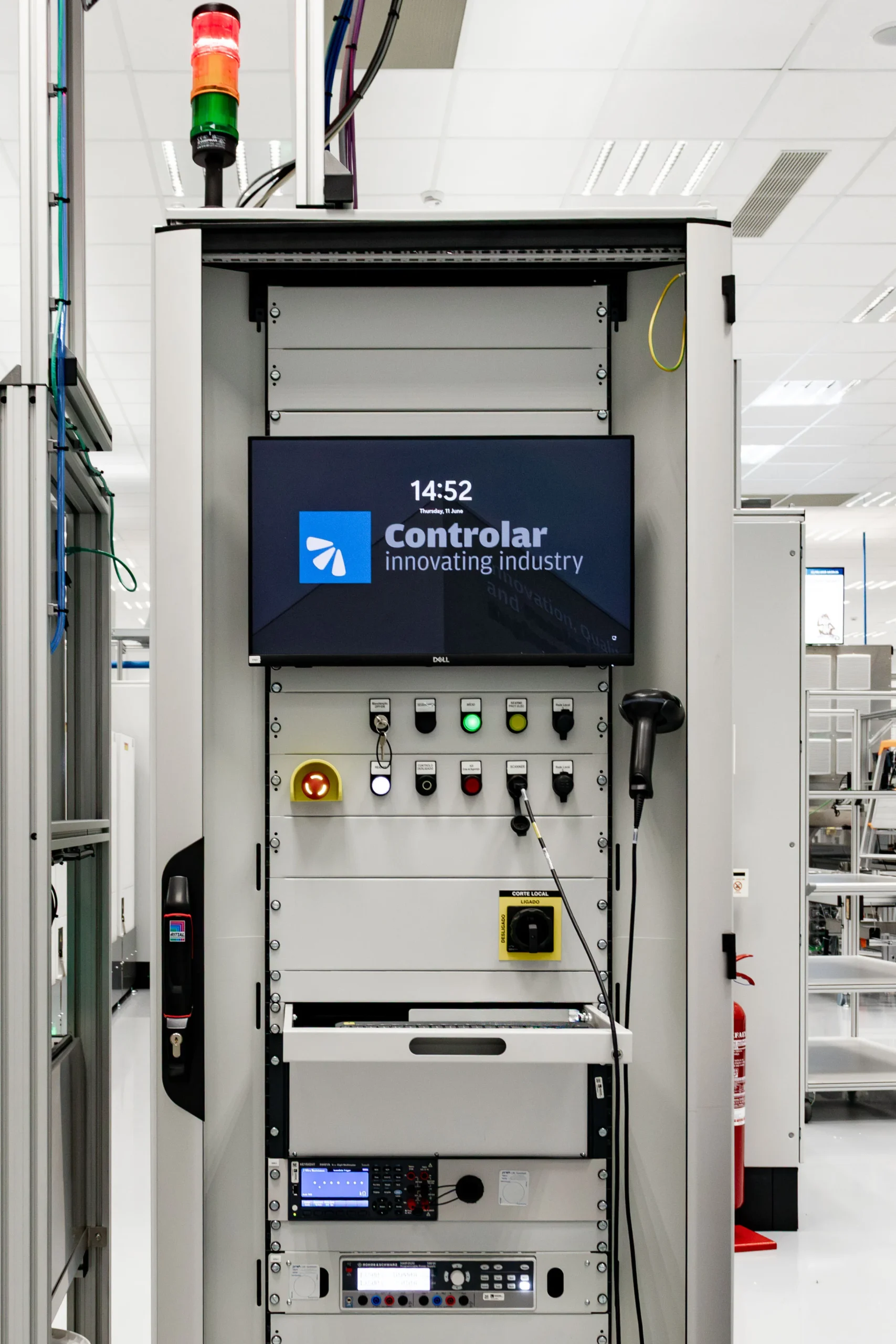
- Combined thermal and electrical screening: Controlar’s systems can perform simultaneous functional electrical testing, including high-voltage DC circuits, throughout the full thermal profile, validating both thermal resilience and electrical performance under real operating conditions.
- Controlar’s role in ESS: Controlar develops advanced burn-in, run-in, and ESS systems for thorough evaluation of hardware devices, ensuring minimal malfunctions or defects.
Environmental Stress Screening
Environmental Stress Screening (ESS), also known as Climatic Stress Screening (CSS), is a rigorous procedure that is often applied to electronic or mechanical components, as well as fully assembled products and systems, to ensure their resilience against environmental stresses.
Its fundamental goal is to identify potential defects or failures in a product before it reaches the market or is deployed for actual use. Subjecting the product to harsh environmental conditions helps pinpoint any weak points or defects vulnerabilities early on, facilitating prompt identification and resolution of issues.
Testing Methods
Various testing methods can be employed to conduct Environmental Stress Screenings, including:
- Thermal Shock Testing
- Humidity Testing
- Temperature Cycling
- Shock and Vibration Testing
- Pressure Testing
- Combined Functional & Thermal Screening
Thermal shock testing is the process of subjecting products to rapid temperature changes, often cycling between extremes, to evaluate their ability to withstand thermal expansion and contraction without failure.
Assessing performance under varying humidity levels to identify issues such as moisture ingress, corrosion, and material degradation.
Exposing products to cyclic temperature changes to simulate real-world temperature variations and test the resilience of materials and components to thermal stress.
Subjecting products to sudden shocks and vibrations to simulate conditions encountered during transportation and operation, ensuring they can withstand mechanical stresses without damage.
Evaluating the integrity of product under different pressure conditions to ensure thay can operate safely and effectively in high-pressure environments.
Subjecting the device under test to its full electrical operating load simultaneously with the thermal profile, validating functional behaviour, electrical performance, and safety margins across the entire temperature range.
The choice of the specific testing method will depend on the nature of the product under evaluation, the product characteristics, and the environmental conditions it is expected to face during its life cycle.
Industry Applications
Environmental Stress Screening (ESS) is extensively employed across several industries:
Testing circuit boards, semiconductors, and other electronic components.
From ECUs and infotainment systems to high-voltage power conversion components, ESS is critical in automotive production lines to guarantee that every unit meets reliability and safety requirements before reaching the vehicle.
Validating the performance of aeronautic components and systems at high altitudes and varying temperatures.
Ensuring the durability of household appliances and electronics.
Screening Process
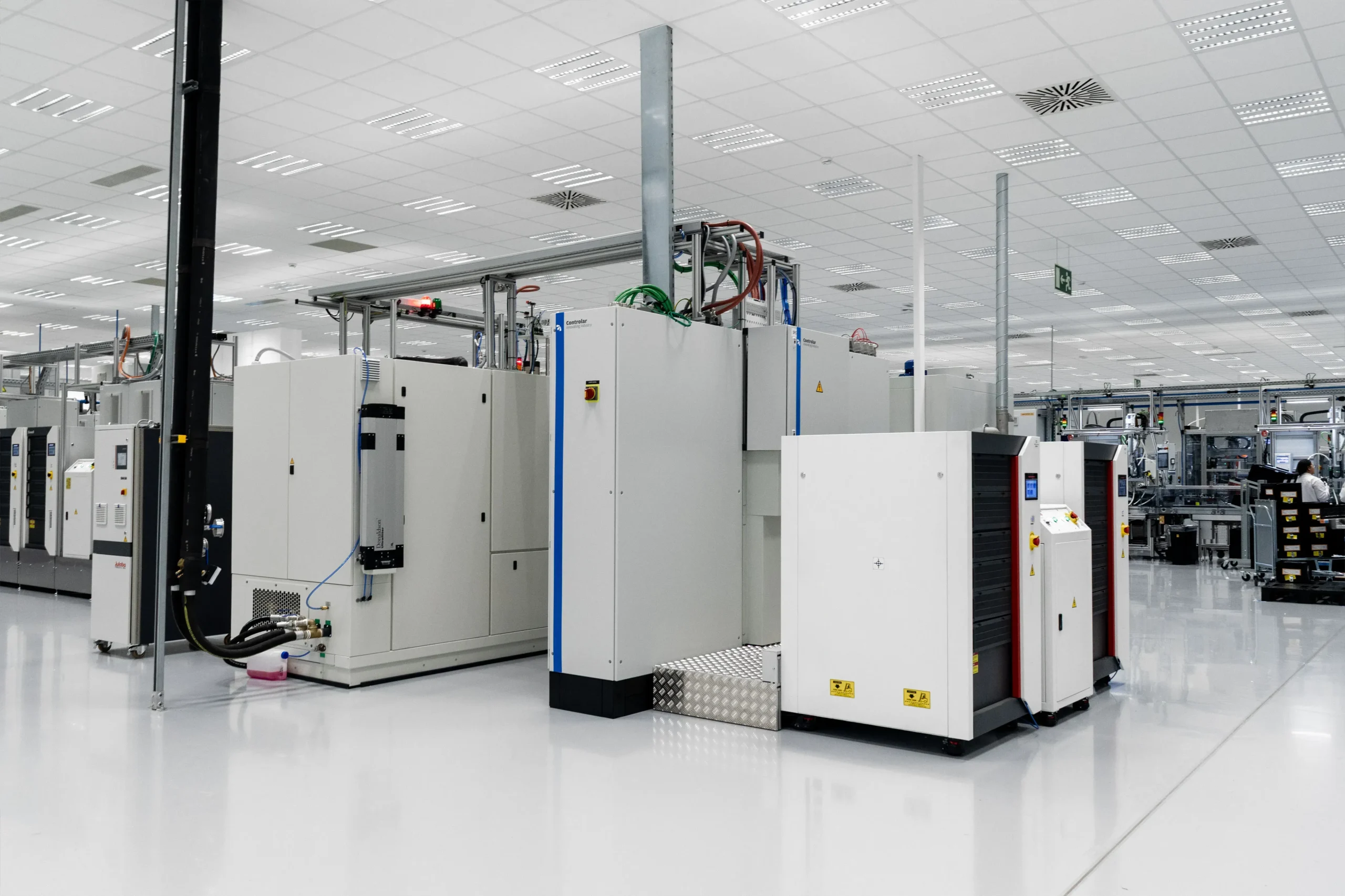
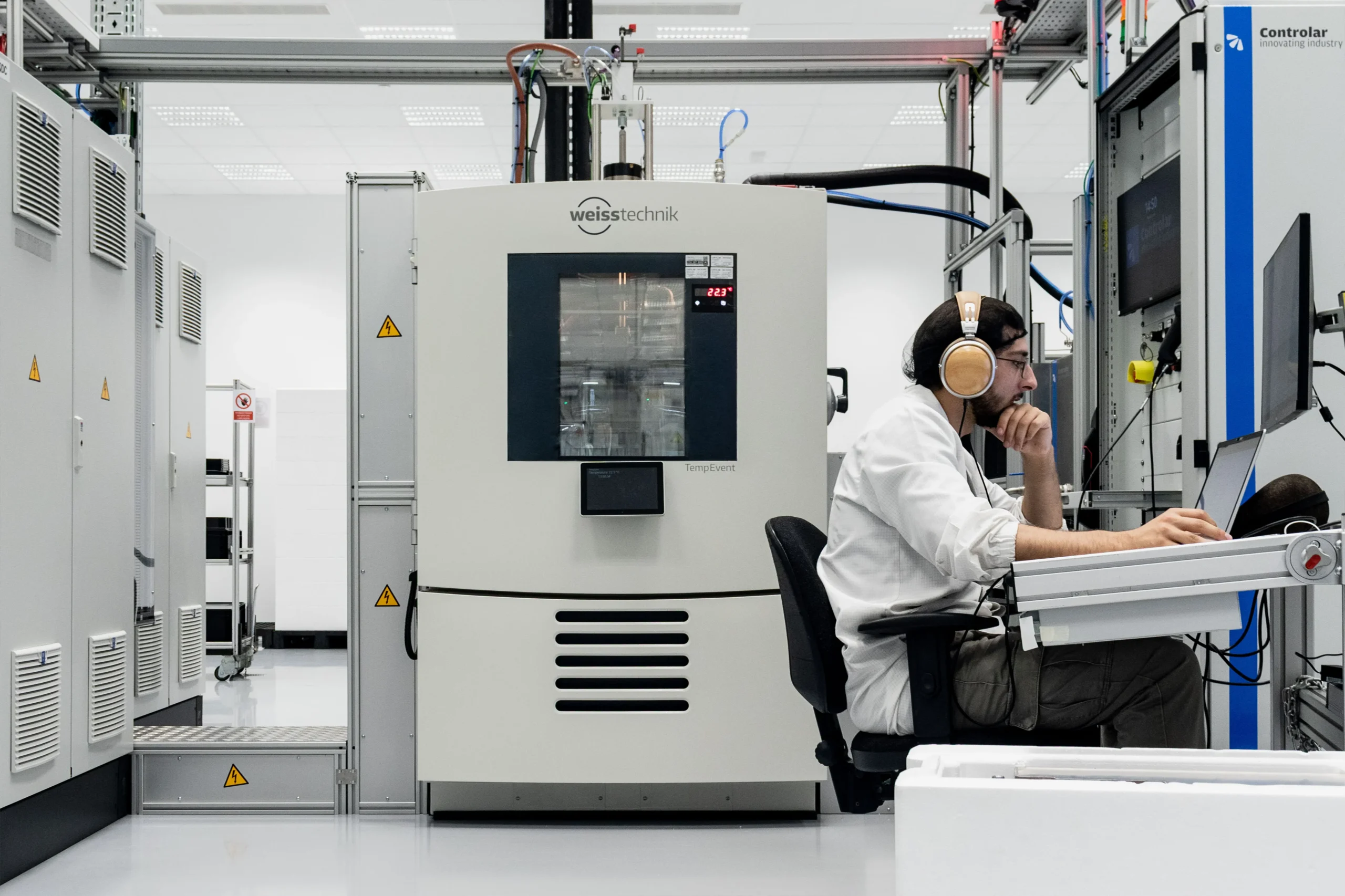
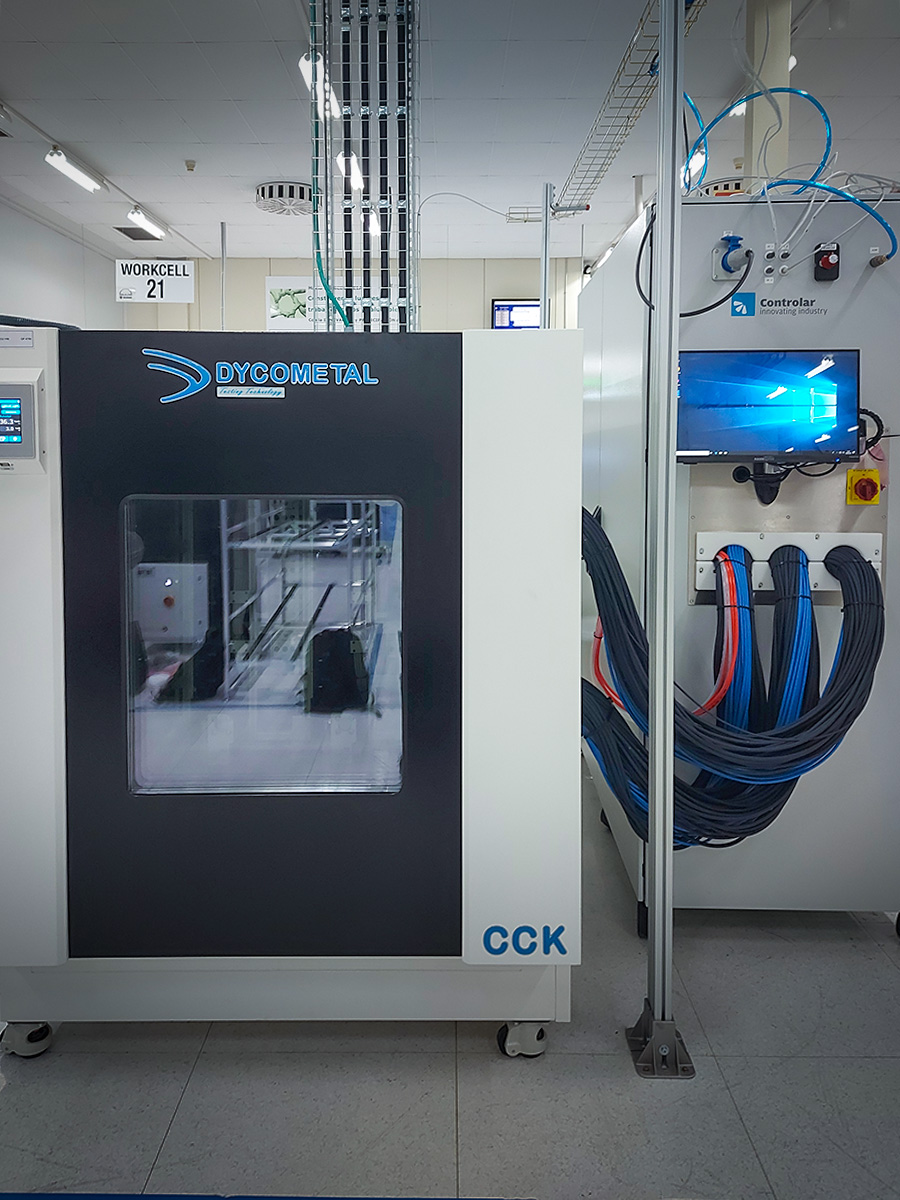
- Employing a climatic chamber to establish predefined temperature and humidity profiles based on product specifications.
- Throughout this process, comprehensive functional tests are conducted on products within the chamber.
- Products are tested and subjected to extreme temperature conditions, including both high-temperature environments (e.g., +85º) and low temperatures (e.g., -40º).
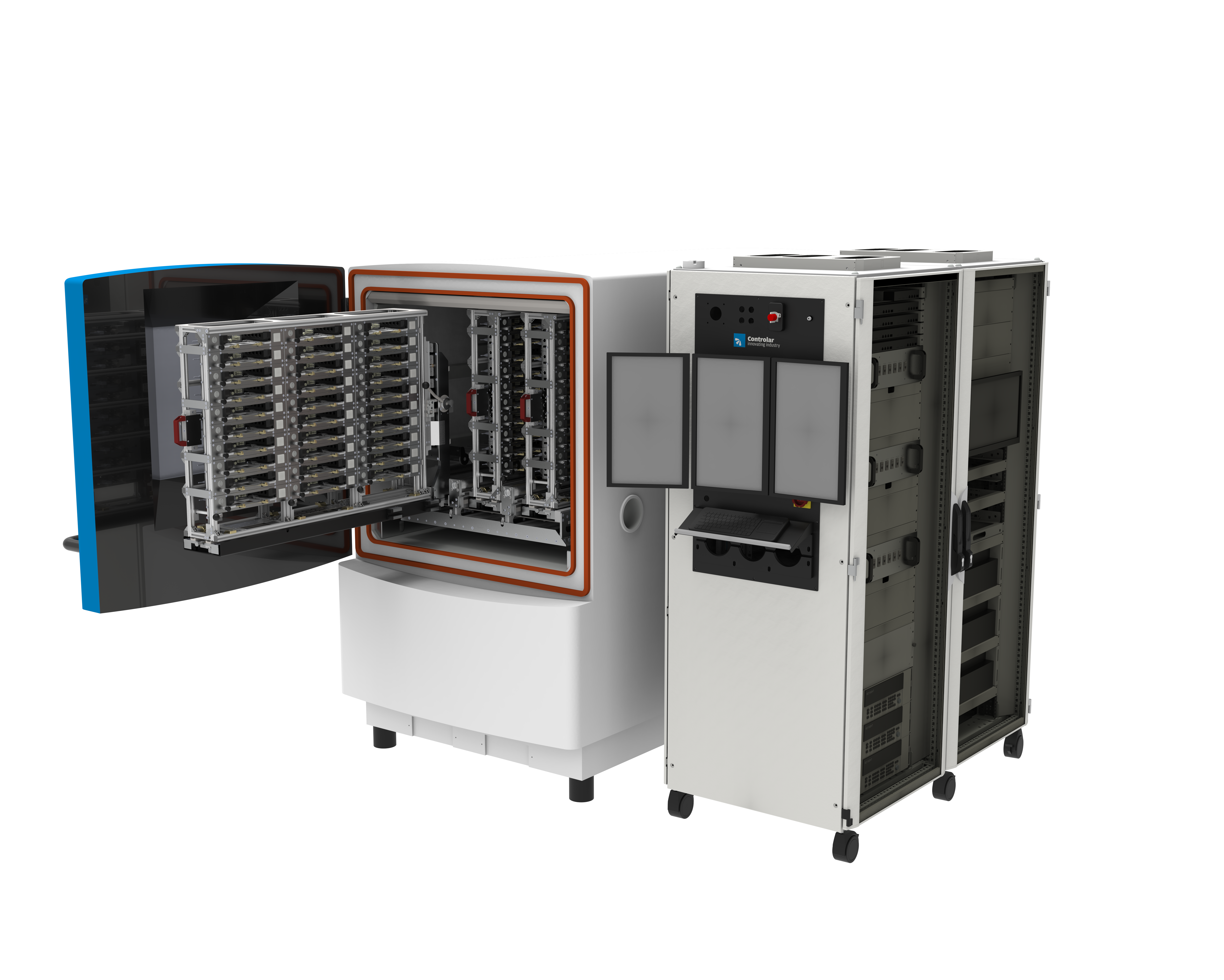
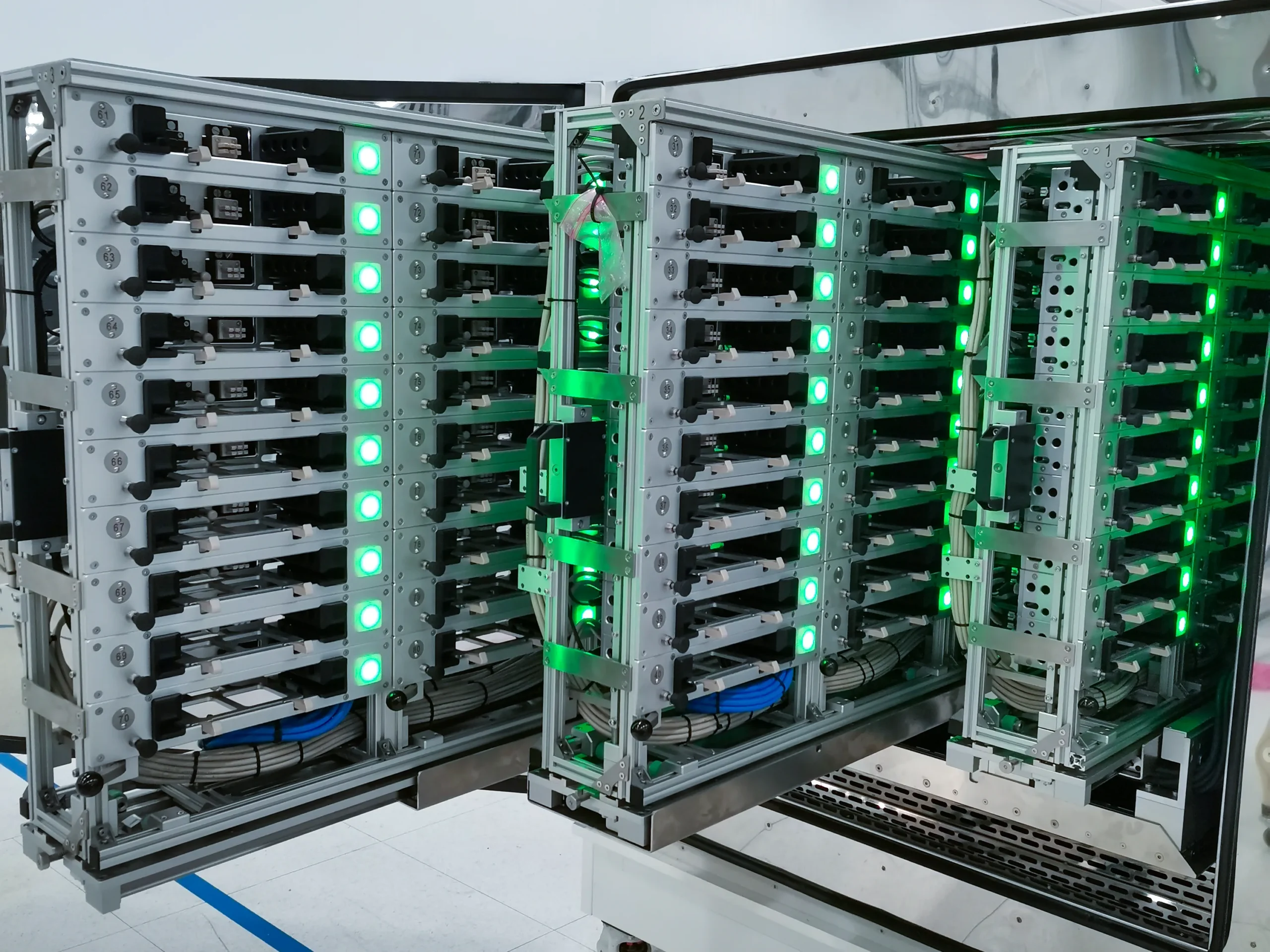
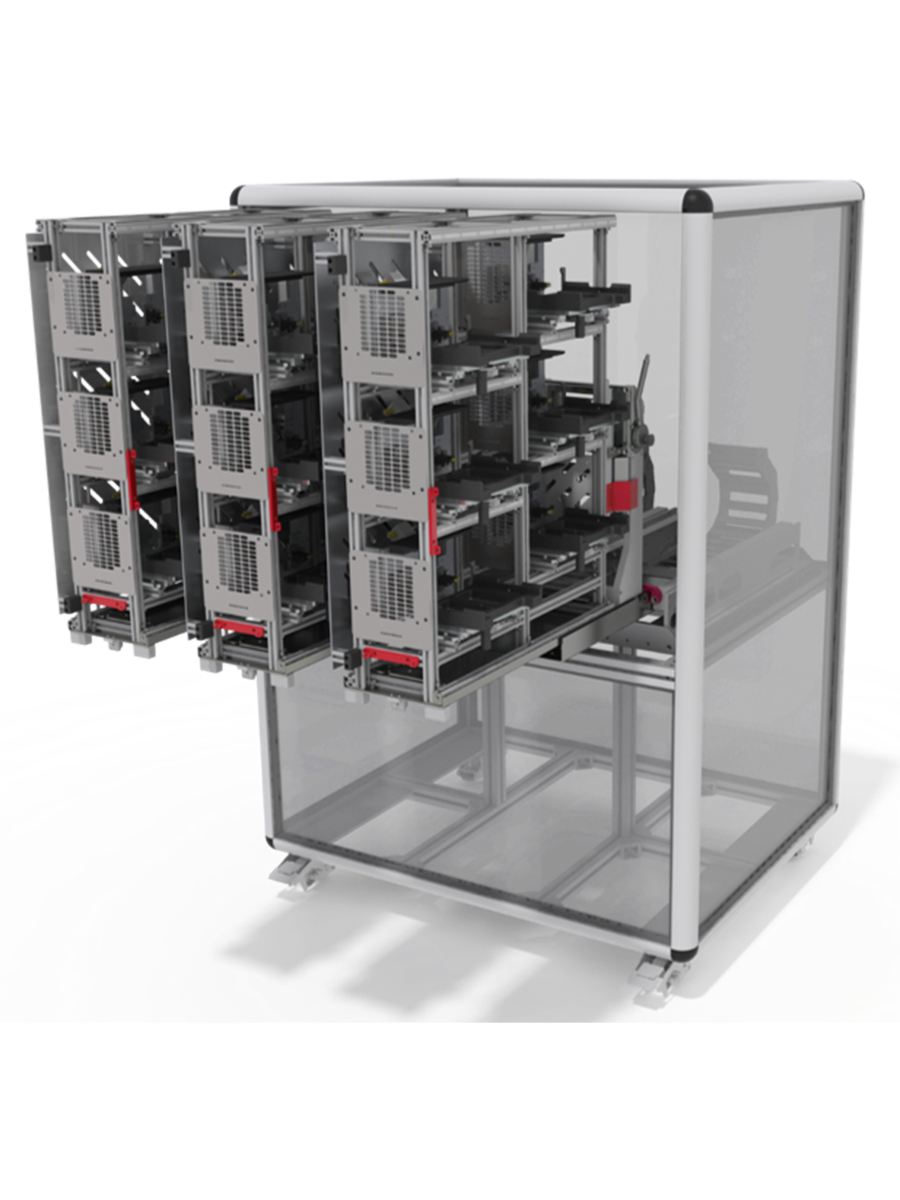
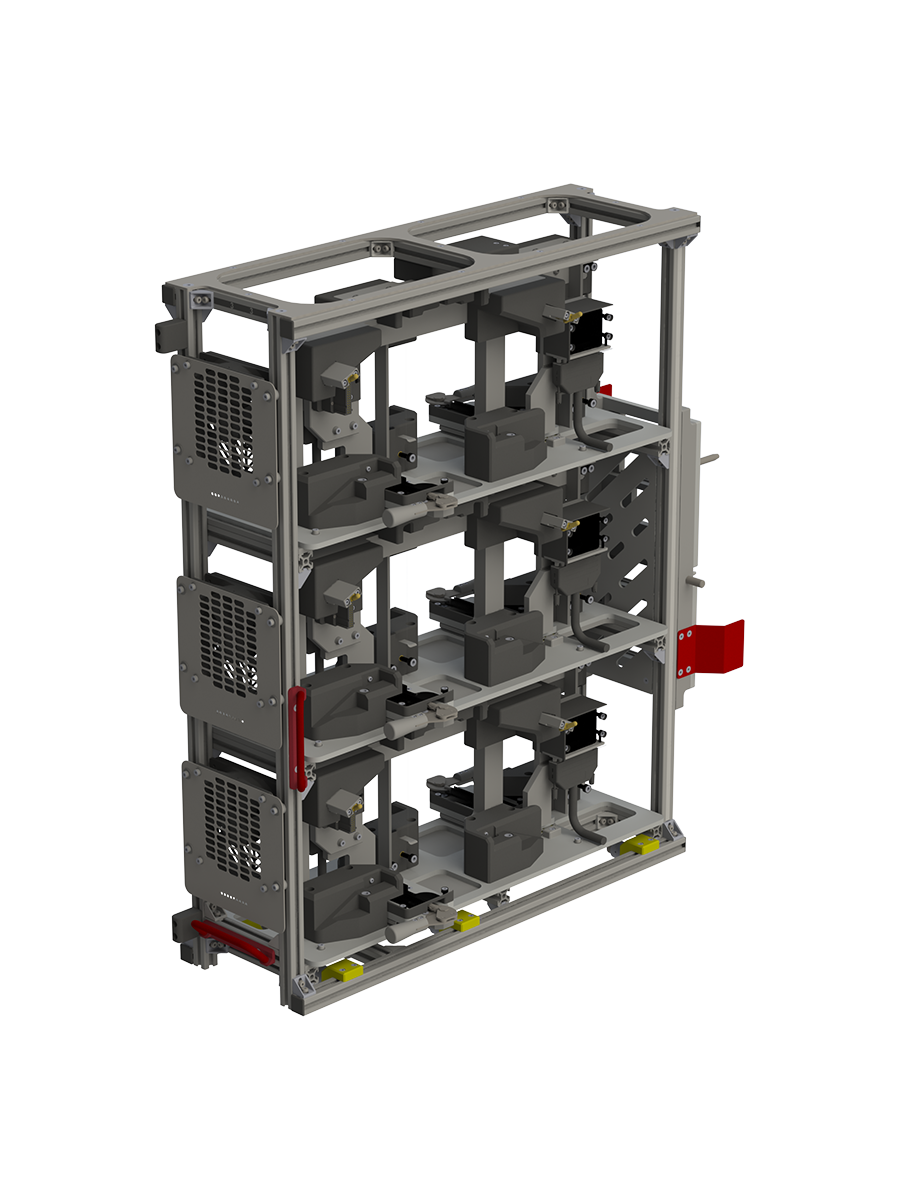
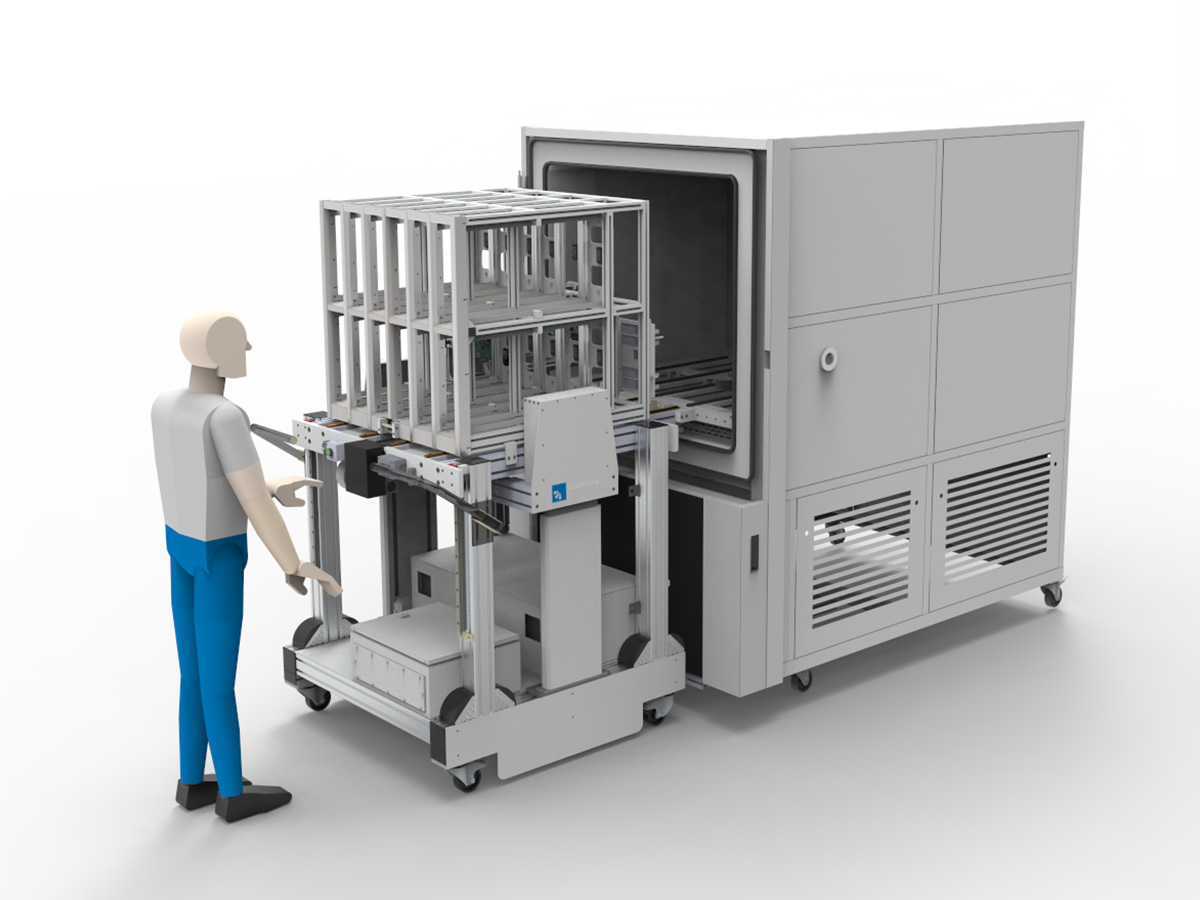
- Since the climatic profile can take time (several hours) and because the screening is performed to a significant part of the production, a substantial number of products must be accommodated within the chamber for sequential testing.
- The main goal is to validate proper product functionality in challenging situations.
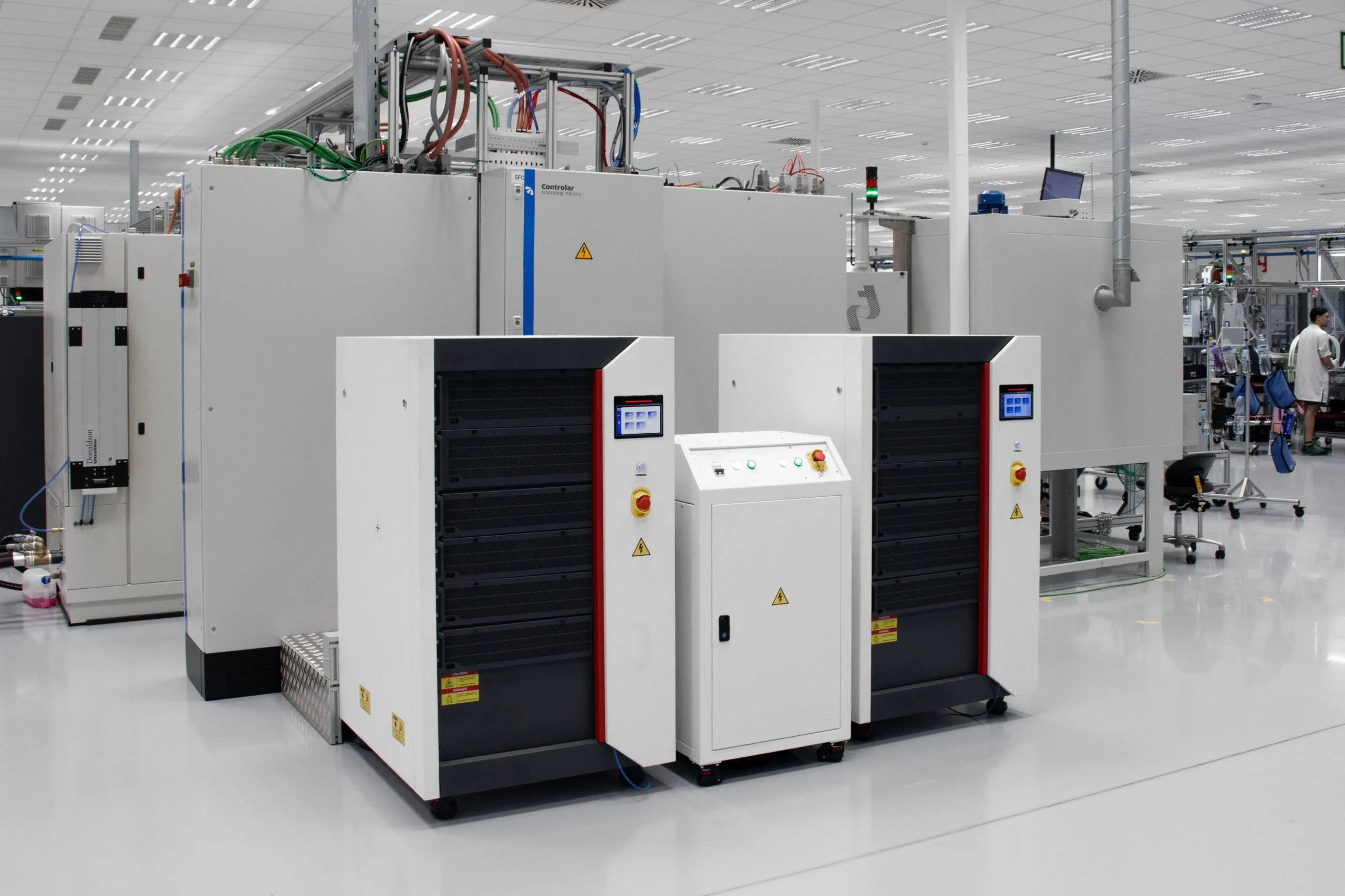
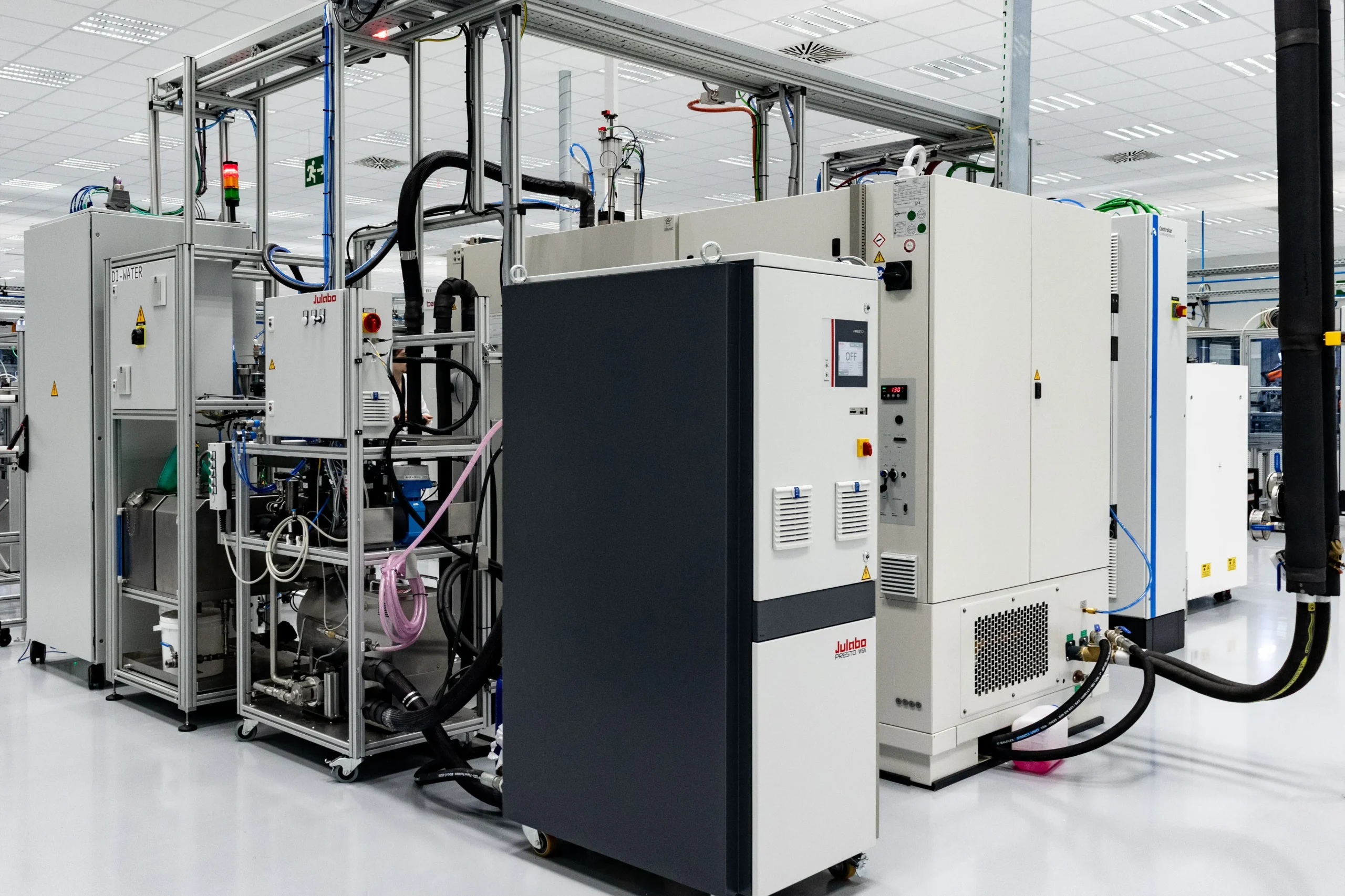
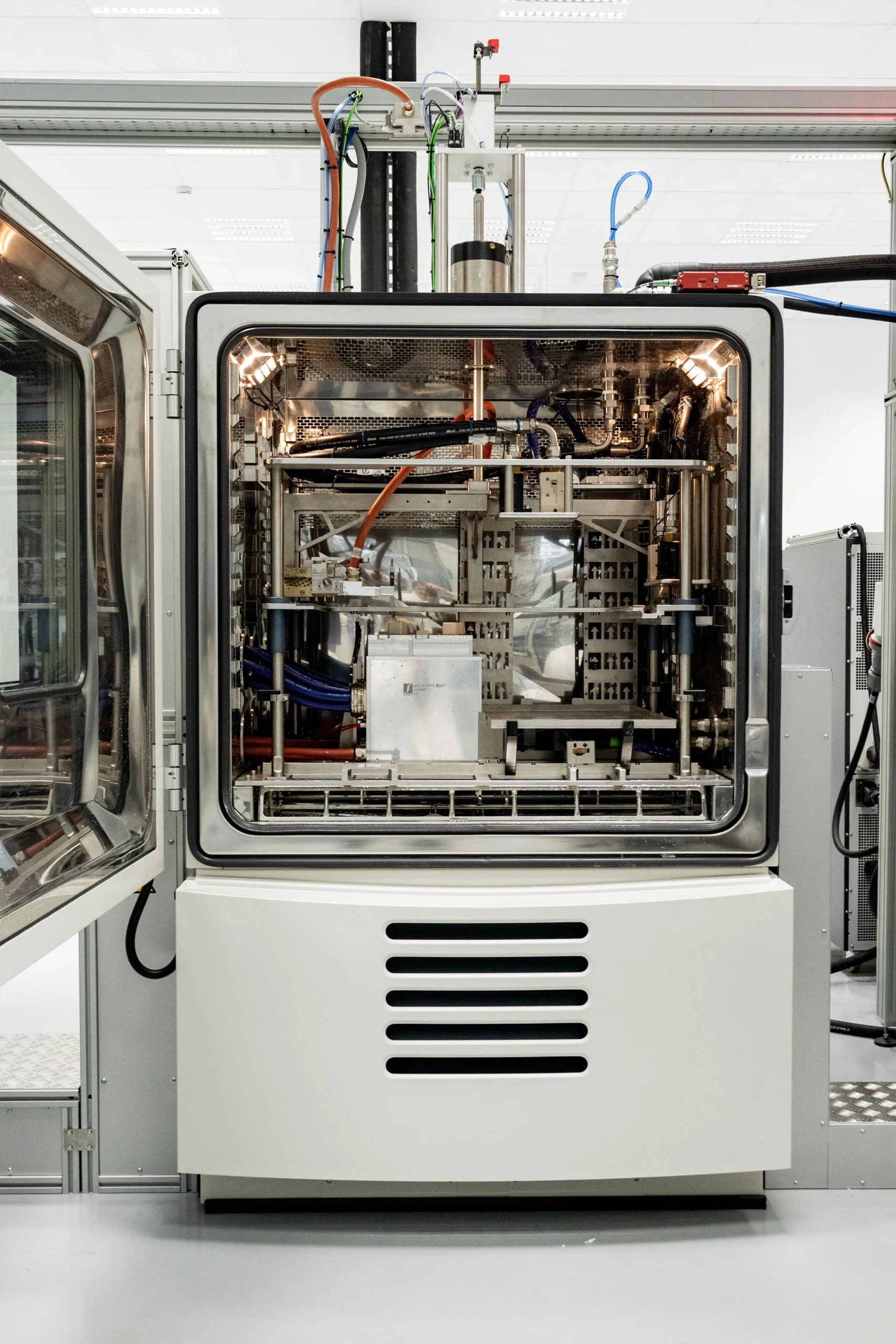
For high-power components that generate significant heat during operation, the system can incorporate an independent glycol-based thermal management circuit, allowing precise control of the DUT’s internal temperature separately from the climatic chamber. This ensures that the screening profile accurately replicates real operating conditions while maintaining stable and controlled test parameters.
Operating Mode
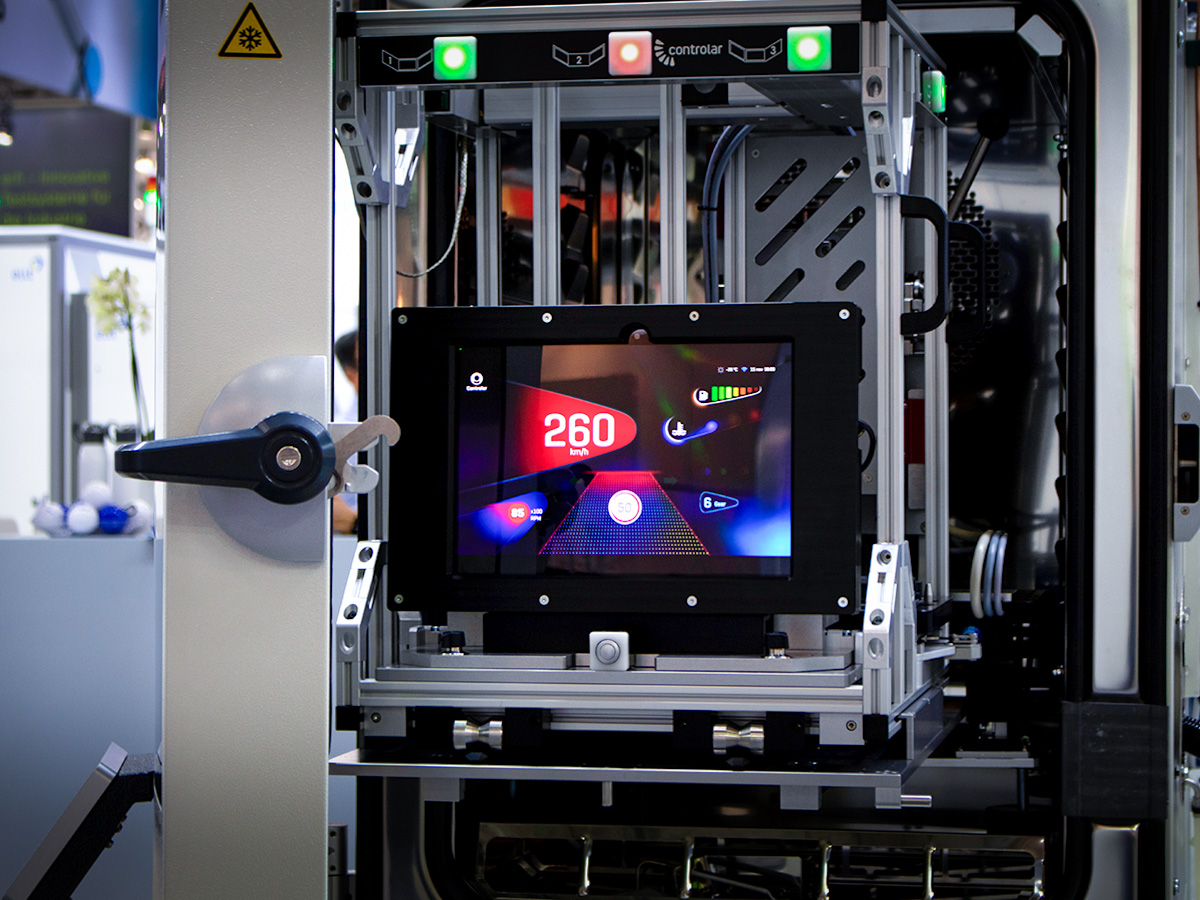
Controlar’s ESS systems range from high-throughput configurations, testing dozens of units simultaneously, to single-DUT high-power platforms designed for complex components requiring individual high-voltage electrical testing.
- The operational principle involves loading a specified number of products onto the product bases and sealing the climatic chamber.
- Subsequently, the testing cycle is initiated, exposing the product to drastic temperature variations to evaluate its performance under adverse conditions.
- Each testing cycle typically range from approximately 1 to 2 hours depending on the thermal profile and functional test requirements.
Product Configuration
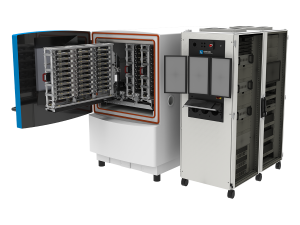
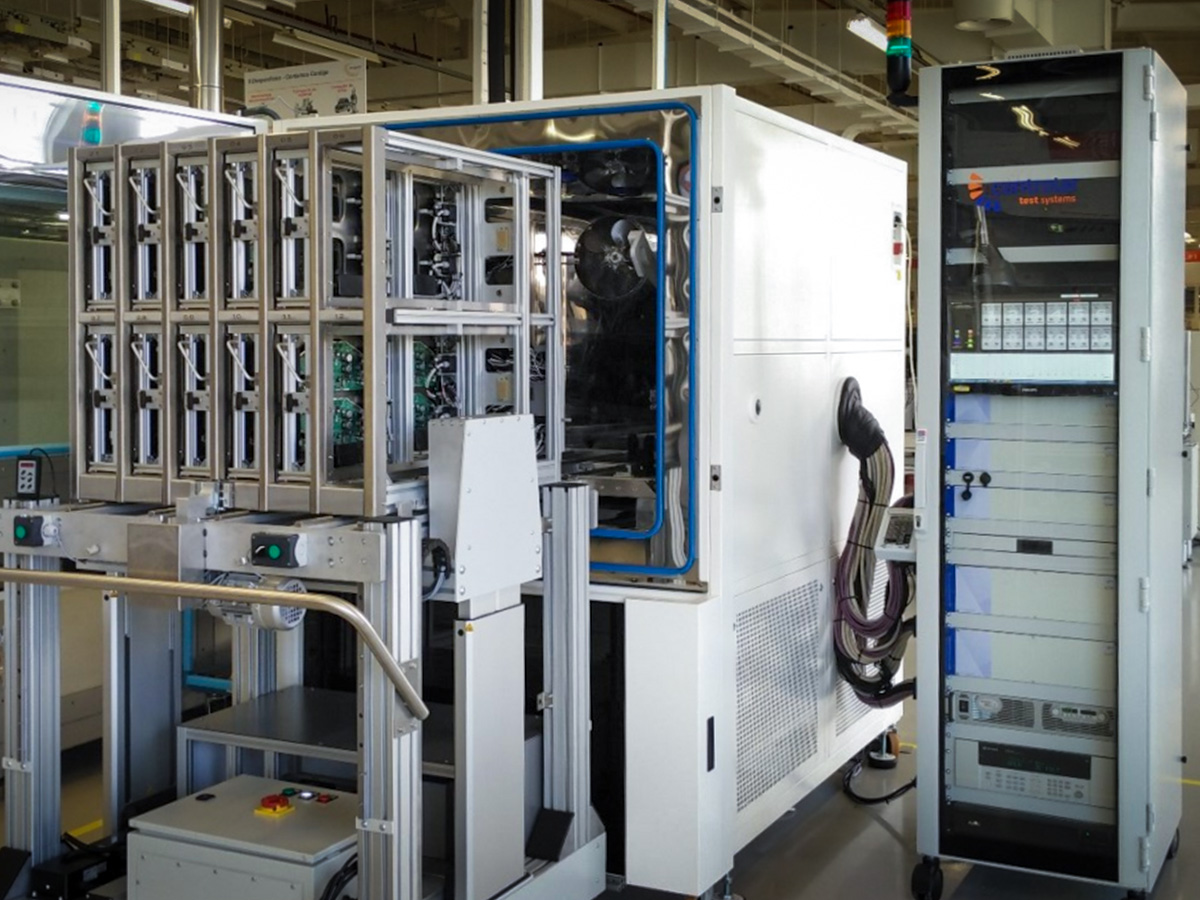
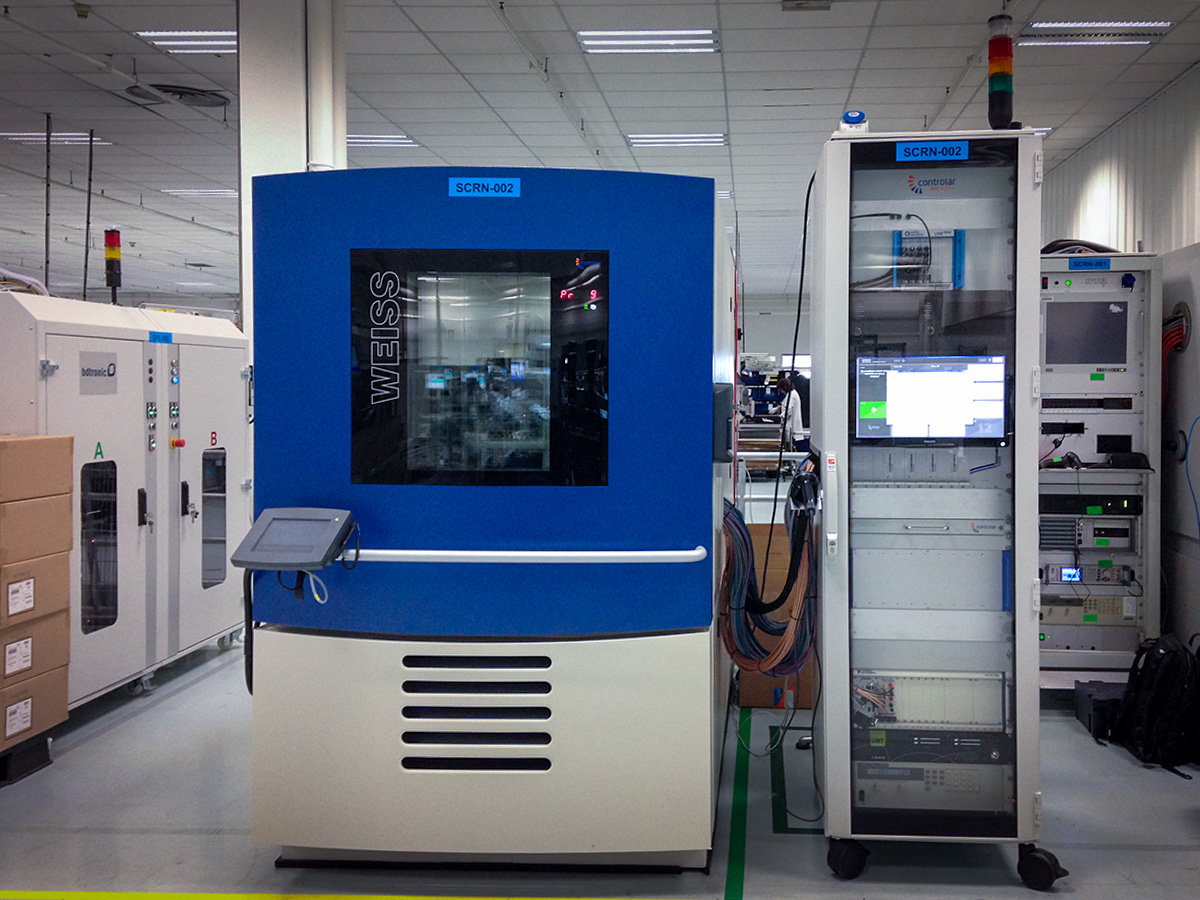
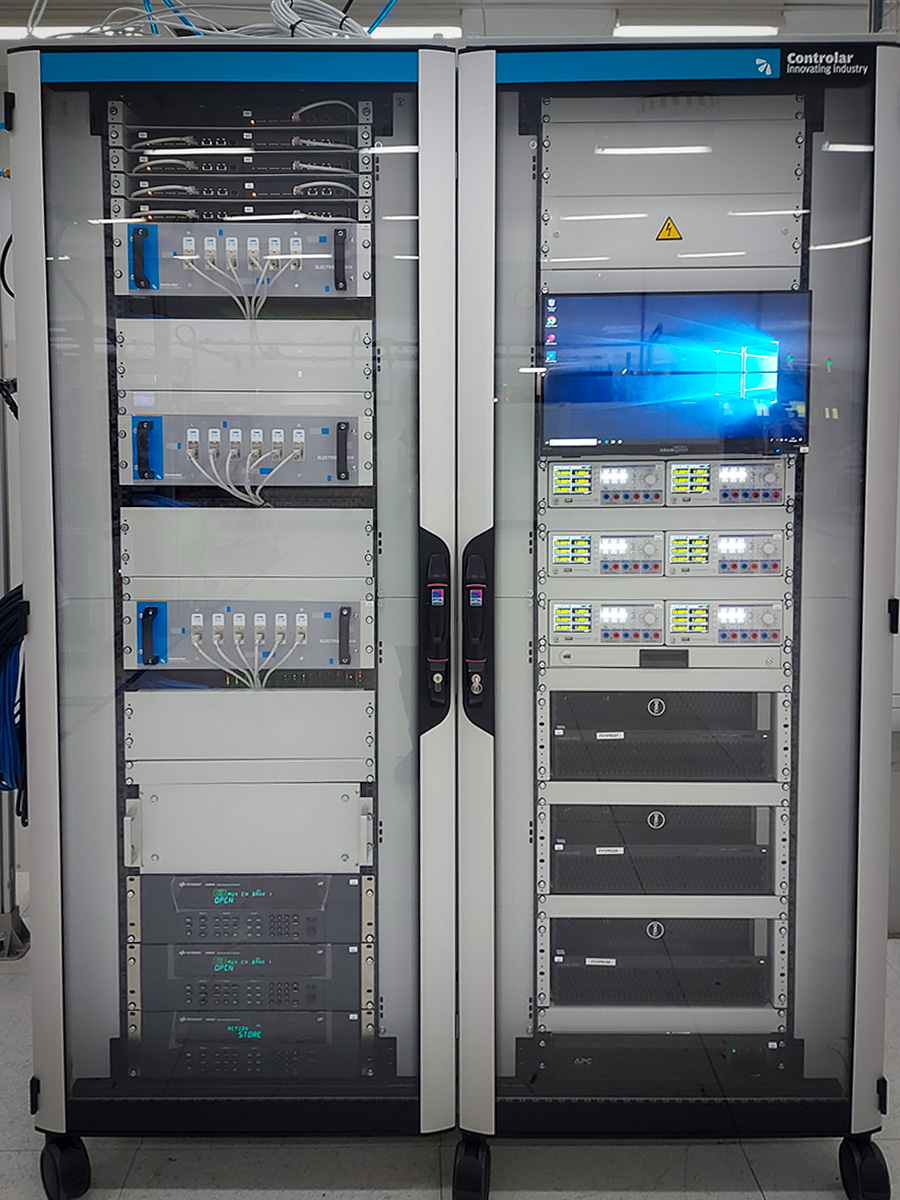
Climatic Chamber + Equipment Rack
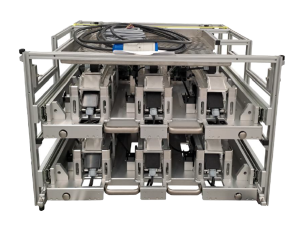
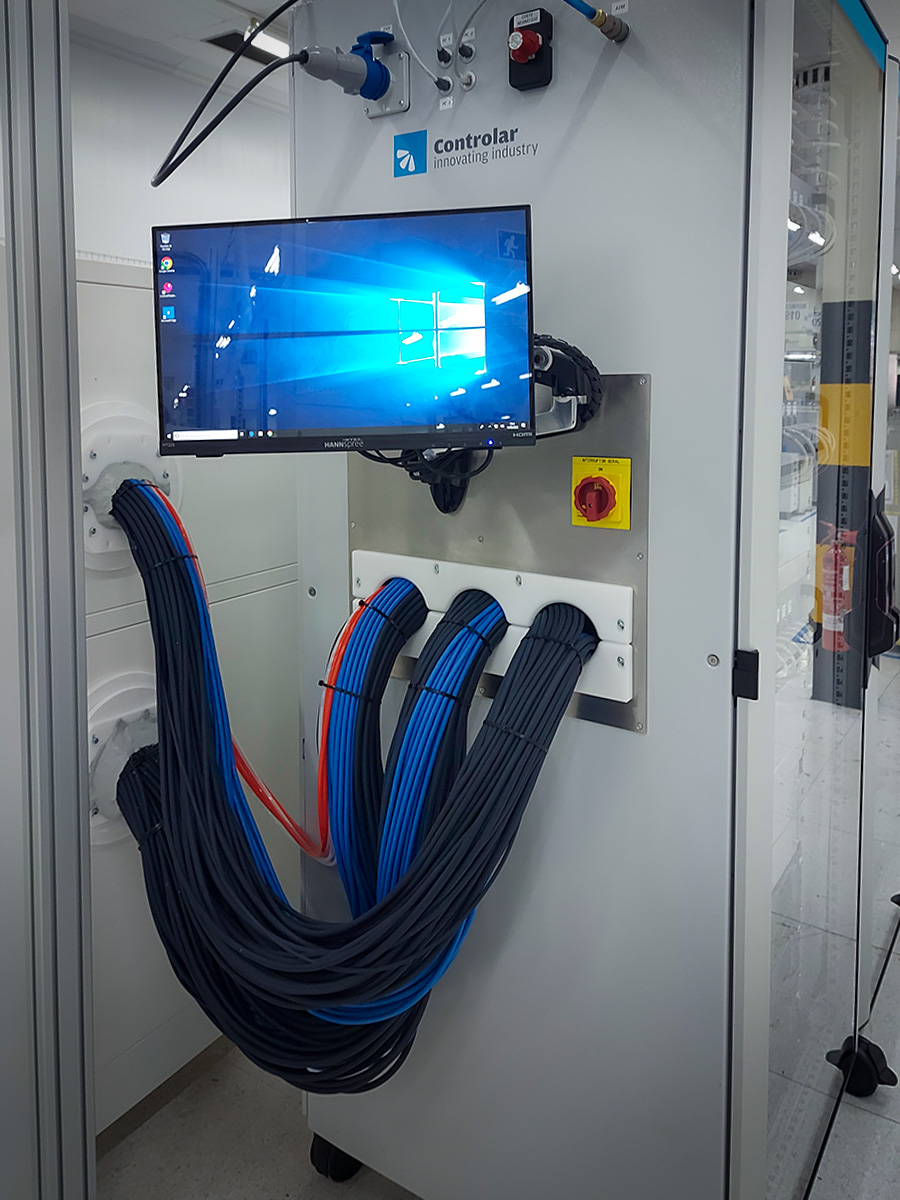
Mechanical Structure
Enhancing Product Reliability with Controlar
Controlar specializes in developing advanced burn-in, run-in, and environmental stress screening systems for the testing systems industry. These processes are essential for ensuring that hardware devices and equipment undergo rigorous evaluation before being introduced to the market, thus minimizing the probability of malfunctions or defects.
Using these testing procedures enables the delivery of new equipment to consumers with minimal failure rates, ultimately increasing consumer’s satisfaction and reducing the warranty-related costs for manufacturers.
Controlar’s innovative burn-in, run-in, and climatic stress screening systems offer the integration of automatic or manual (un)loading of multiple electronic units for concurrent testing within a controlled environment. These systems perform thorough functional tests by applying environmental stimuli such as temperature and humidity, thereby ensuring the production line is equipped to handle varying stress levels efficiently.
Controlar’s portfolio spans systems testing up to 90 units simultaneously for high-volume production lines, as well as single-DUT platforms for high-power and high-voltage components, covering the full spectrum of automotive and industrial ESS requirements.
Conclusion
Environmental Stress Screening (ESS) stands out as a crucial process for enhancing product reliability, particularly in industries where failure is not an option.
By simulating extreme environmental conditions, ESS identifies potential weaknesses and ensures that only robust and reliable products reach the market. Thus, implementing ESS not only minimizes the risk of product failures but also significantly reduces warranty costs and improves customer satisfaction.
For companies striving to deliver high-quality, durable products, integrating ESS into their production process is a strategic investment that pays off in the long run, safeguarding their reputation and ensuring long-term success.
Screening Test System for Scale Production
As part of a quality control project for large-scale production of electronic equipment, we have developed a Climatic Stress Screening system, which will serve as a base model for potential replications to be provided to the customer. To know more, click here.
Functional Stress Screening System for High-Voltage Automotive Components
As part of a project for an automotive tier-1 supplier, we have recently developed a combined thermal and functional stress screening system designed to test high-voltage DC-DC converters under simultaneous electrical load and full climatic profile. To know more, click here.