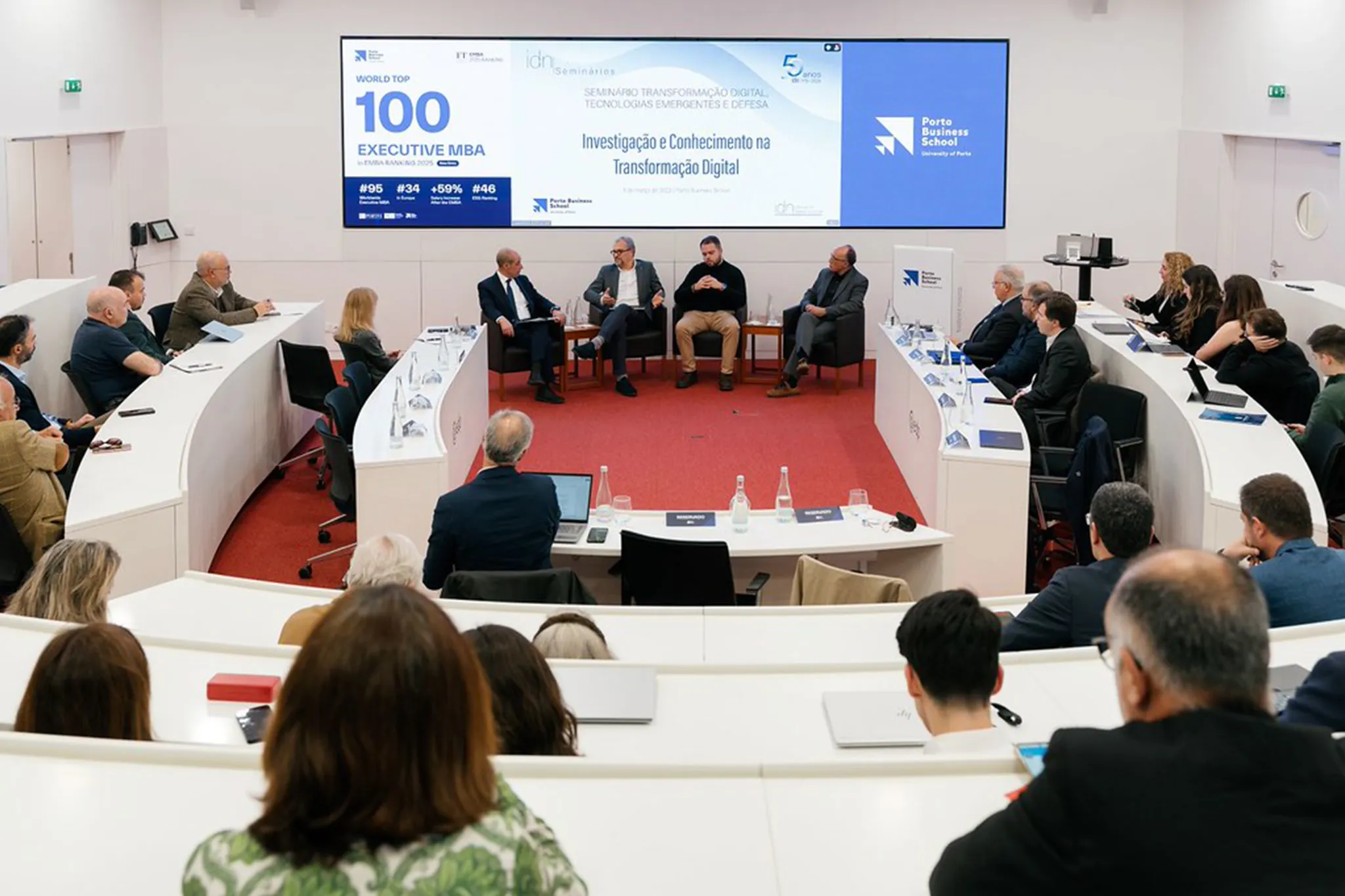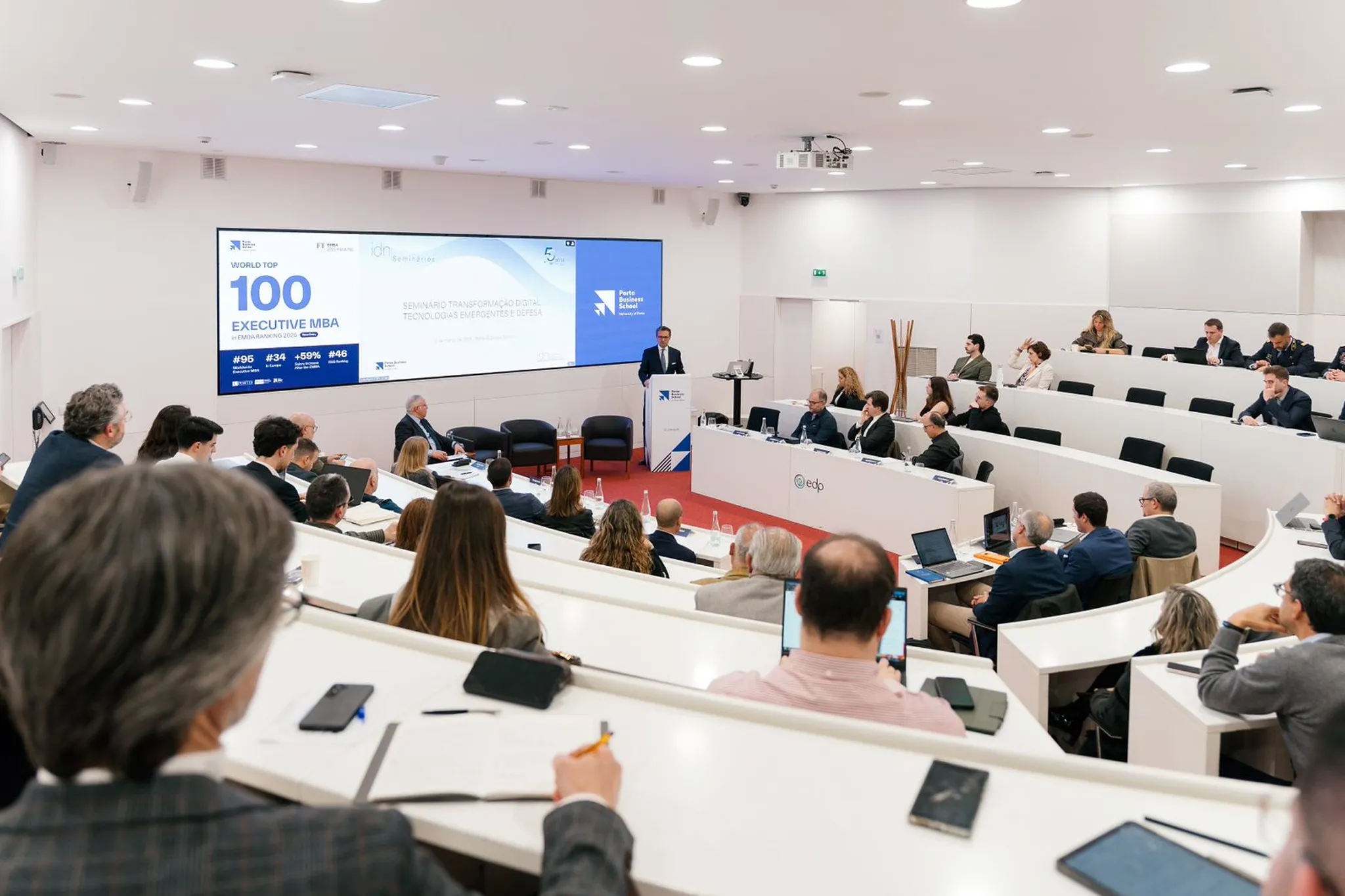
Controlar took part in the seminar “Digital Transformation, Emerging Technologies and Defense”, an initiative promoted by the National Defense Institute (IDN) as part of the celebrations marking its 50th anniversary and integrated into the National Defense Course 2025/26 program.
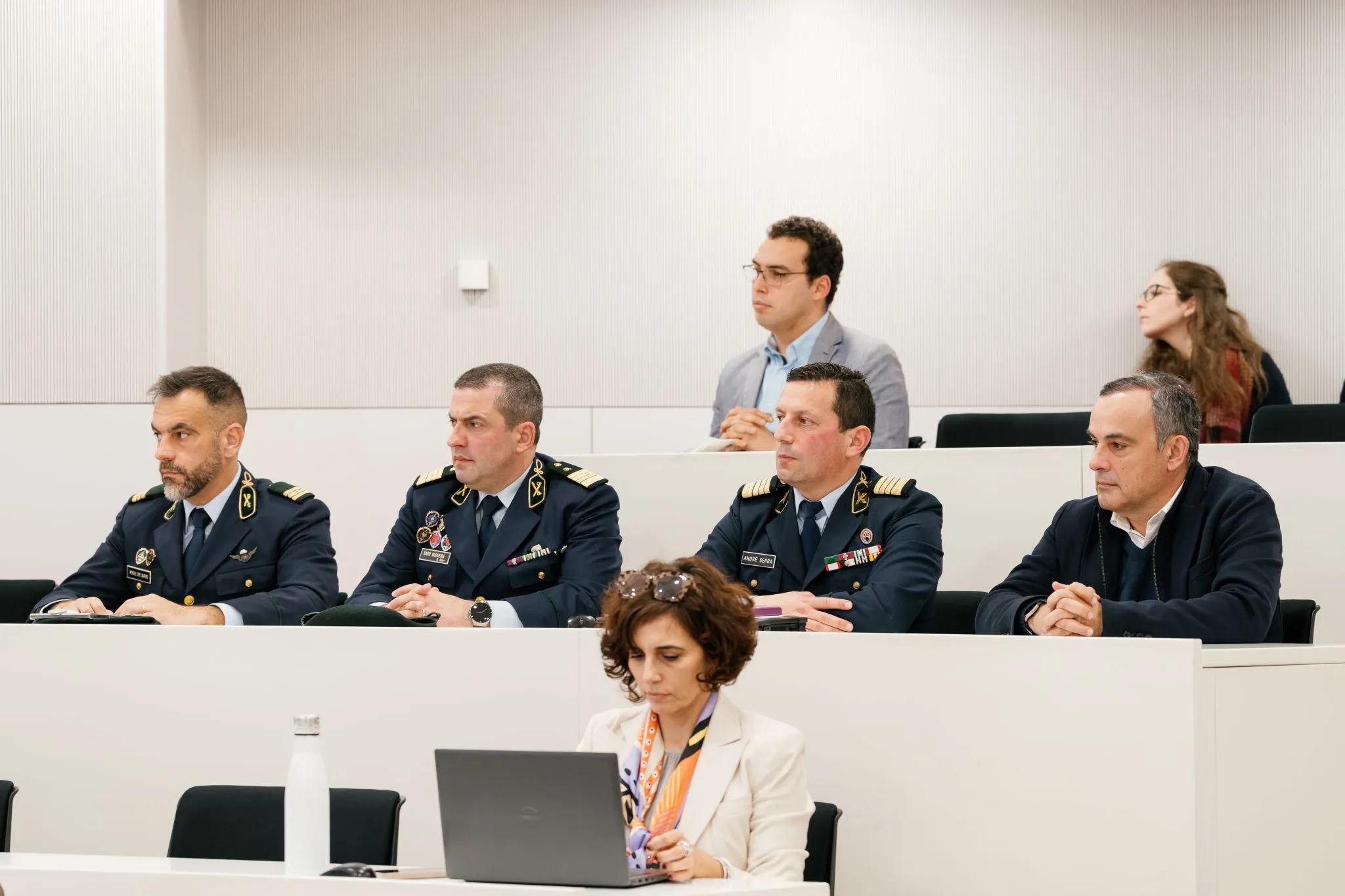
The event took place on March 3, 2026, at Porto Business School, bringing together policy makers, senior military officials, academics, technology companies, and experts from the Defense and Aeronautics sectors.
The opening session was attended by the Secretary of State for Digitalization and the Assistant Secretary of State for National Defense Policy, highlighting the strategic importance of digital modernization and the adoption of emerging technologies in preparing the Armed Forces for today’s technological and geopolitical challenges. Government representatives emphasized the need to strengthen cooperation between public institutions, universities, and technology companies, a principle aligned with Controlar’s strategy.
Controlar’s Vision for Digital Transformation in the Defense Sector
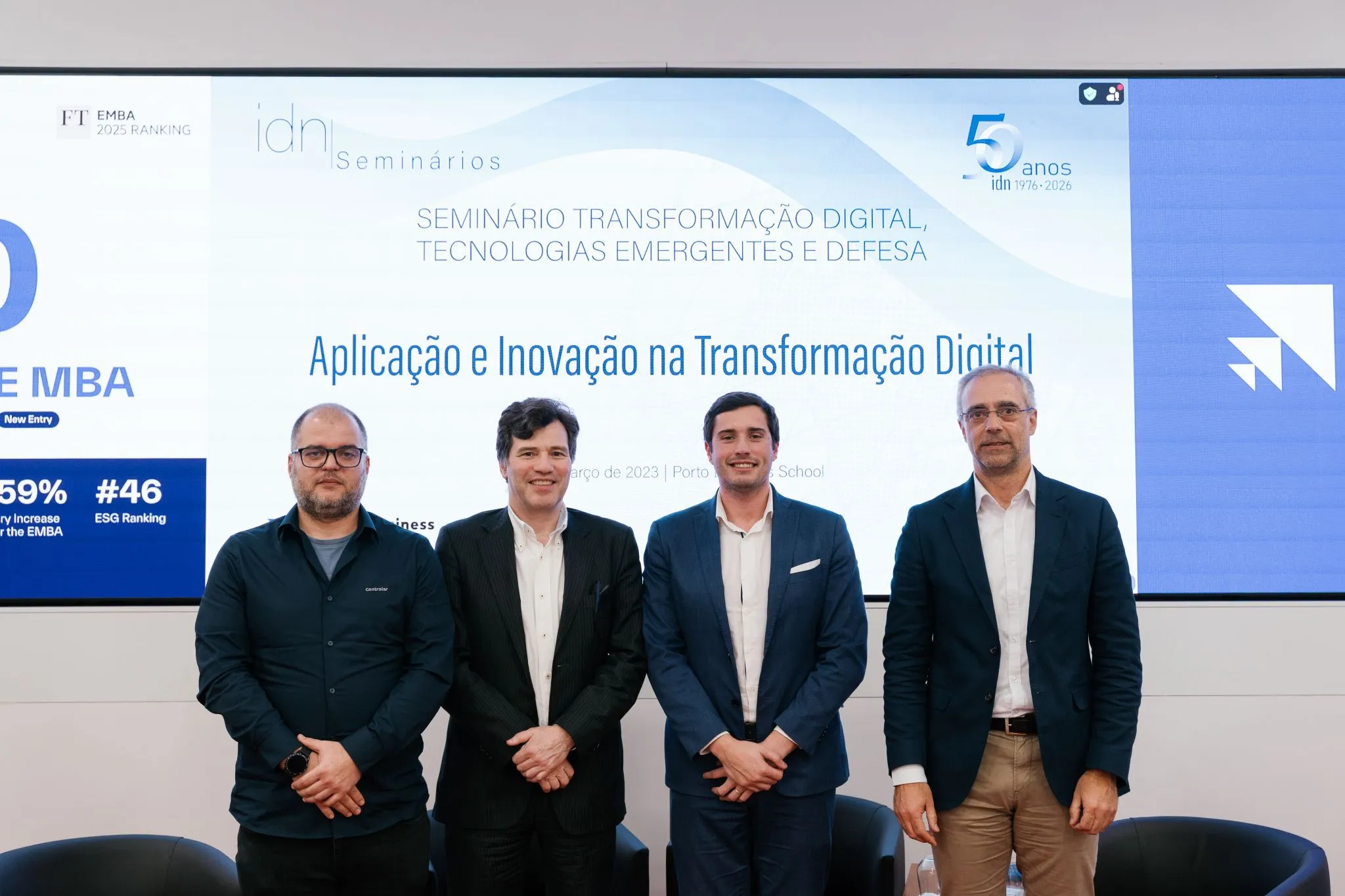
As part of the seminar, João Queirós, Aerospace and Defense Manager at Controlar, participated in the panel “Application and Innovation in Digital Transformation,” where he shared his perspective on technological developments in the sector. During his intervention, he addressed the importance of accelerating the adoption of advanced automation, digitalization, robotics, and Artificial Intelligence, considering the growing complexity of defense systems and the need to integrate reliable, secure, and scalable solutions.
Drawing on the company’s experience across multiple high-demand industrial sectors — from automotive electronics to automation, embedded systems, and test engineering — João Queirós emphasized that “digital transformation in Defense should not be seen as an isolated process, but as a continuous movement that directly benefits from the innovation already taking place in other technology industries.” This transfer of knowledge strengthens the ability to develop more efficient, modular, and interoperable systems.
The panel also featured contributions from Beyond Vision and EMPORDEF (ETI), fostering a broad discussion on the role of emerging technologies in national competitiveness and strategic autonomy.
Controlar’s Companies’ Consolidated Experience in Defense, Aeronautics, and Space Projects
Controlar’s presence at the seminar helped reinforce the visibility of its experience in the design and integration of advanced technologies in highly regulated and critical sectors. Over the past several years, Controlar has developed multiple validation and certification systems for electronic, electrical, and electromechanical components intended for Defense, Aeronautics, and Space applications.
These projects, developed by the Controlar companies, include solutions applied in leading international systems, such as Airbus A400M and A330M, Lockheed Martin P-3 Orion, and the NHI NH90, among others. The Controlar ecosystem’s contribution ranges from test engineering and instrumentation to the automation of complex processesand the implementation of intelligent verification and diagnostic systems.

Technological Commitment to Strategic Sectors
By participating in this seminar, Controlar reinforces its position as a credible and innovative technology partner supporting the digitalization of the Defense, Aeronautics, and Space sectors. The company remains committed to continuing to invest in solutions that combine precision, intelligent automation, and high-performance engineering, directly contributing to the development of critical capabilities that support national autonomy and security.